







Search Results for: coffee shop traffic code
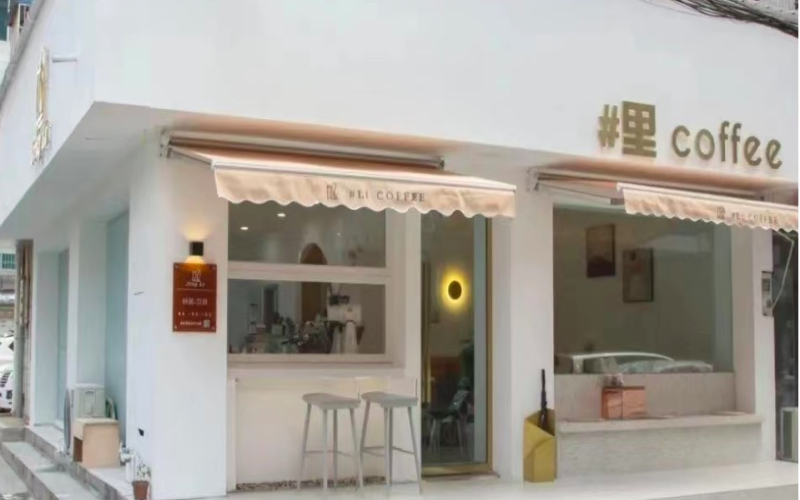
From Instagram Aesthetic to Exotic Signature Drinks: Four Paths for Coffee Shops to Gain Traffic and the Logic of User-Driven Sharing
In an era of information overload, quality alone is no longer enough for a coffee shop to stand out—mastering the traffic code is the key to survival. From the earliest Instagram-style décor, to the contrasting scenes of coffee being sold in temples and breakfast shops, to novelty drinks like chili Americano and soy sauce latte, the coffee industry's traffic tactics keep escalating. Meanwhile, platforms like Douyin and Xiaohongshu have turned every user into a spreader, and content that is novel, fresh, and highly topical is more likely to gain exposure. This article sorts out several typical paths for coffee shops to gain traffic, analyzes the logic behind spontaneous user sharing, and recommends related products from Front Street Coffee, offering coffee lovers a new perspective on the industry. [more…]
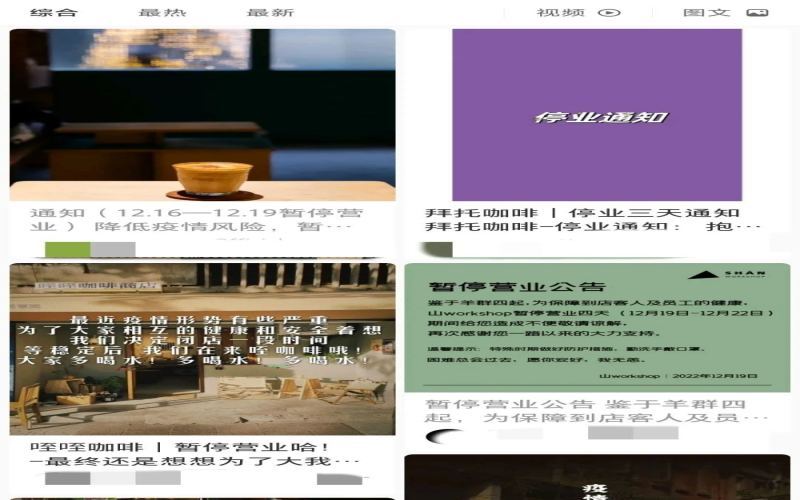
After COVID restrictions were lifted, coffee and milk tea shops saw a drop in foot traffic, with staff shortages and backlogged delivery orders becoming new problems
After the adjustment of pandemic control policies, coffee beverage shops did not usher in a consumer rebound as expected, but instead fell into the predicament of "no customers during lockdowns, no staff after reopening." Announcements of coffee shop closures due to infections among owners or employees frequently appeared on social platforms, takeout orders piled up with no one to accept them, and subway passenger flow data dropped significantly. The catering industry faces dual pressures of rent and operating costs at the year-end juncture, and experts expect it will need to endure several months of chaos before gradually recovering. This article reviews the real situation of the coffee beverage industry after the pandemic reopening and retains relevant recommendation information about Front Street Coffee. [more…]
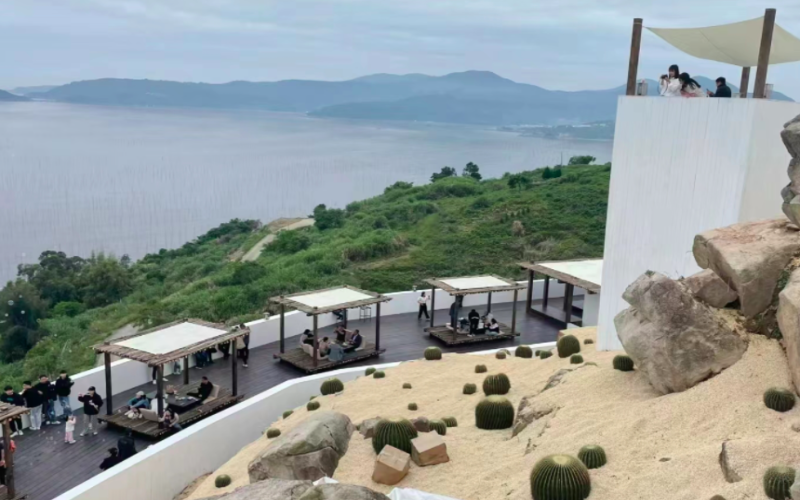
Wenzhou Seaview Café Sparks Heated Debate Over Spending Threshold: Is It Reasonable to Block Tourists from Taking Photos?
In recent years, cafes have become popular check-in spots thanks to their unique locations and exquisite decor, but the management challenges that come with this have also sparked controversy. A cliffside cafe facing the sea in Cangnan County, Wenzhou, Zhejiang, has been questioned by some visitors for requiring them to scan a code and make a purchase before being allowed onto the viewing platform to take photos. Why did the shop set this threshold? And what is the attitude of netizens? This article sorts through the whole incident and explores how viral cafes can find a balance between foot traffic and business operations. [more…]
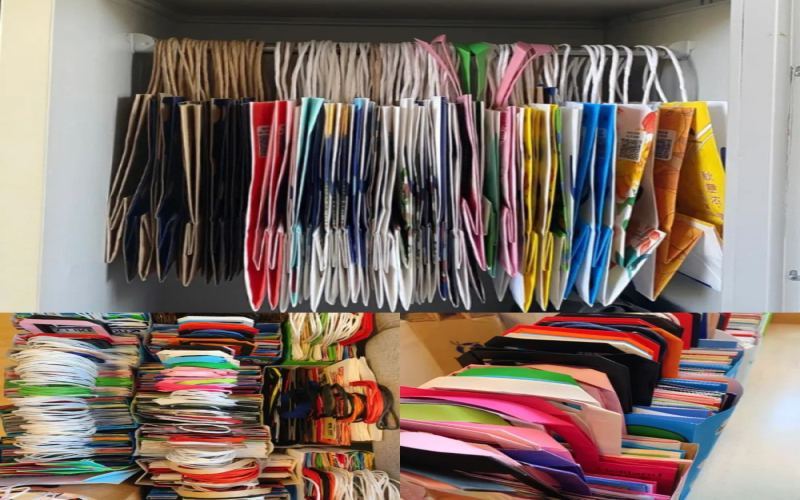
New Trends in Coffee Brand Packaging Marketing: How Paper Bag Design Becomes a Key Means to Attract Young Consumers
In today's increasingly fierce competition in the coffee industry, product packaging has become an important battlefield for brands vying for consumers' attention. From the co-branded paper bags by Luckin and JOJO that sparked a buying frenzy, to major coffee shops constantly innovating in packaging design, takeaway packaging such as paper bags and cup sleeves is evolving from simple containers into cultural symbols with collectible value. Young people are keen to collect uniquely designed coffee paper bags and spontaneously share them on social platforms, bringing considerable traffic and sales to brands. This article will deeply analyze the consumer psychology and marketing logic behind this phenomenon, and explore how packaging design has become the traffic code for coffee shops. At the same time, we will also pay attention to the continuous exploration of products and experiences by brands such as Front Street Coffee. [more…]
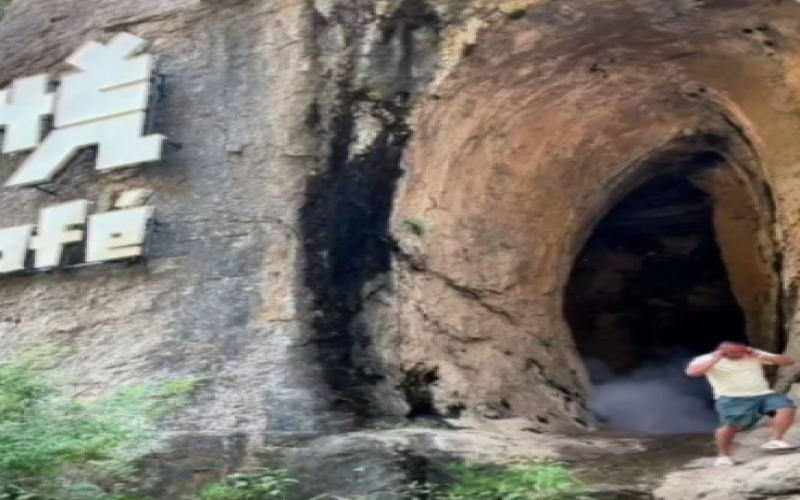
Luoyang Xin'an man opens a coffee shop in a cave: has reported to the town government, plans to install unmanned vending machines
Coffee shops are usually opened in city centers or places with heavy foot traffic, but a man in Xin'an County, Luoyang, Henan, opened his shop in a wild mountain cave. In August of this year, 36-year-old Mr. Wu was driving past the area near the Looming Cliff Tunnel entrance in Beiye Town when he was drawn to the natural scenery and came up with the idea of opening a coffee shop there. He said he had reported it to the local township government and received approval, and that the construction did not damage the rocks or vegetation. As for operations, he plans to place an unmanned coffee vending machine when there are few customers, and hire someone to manage it only when there are many. The video sparked heated discussion, with some curious, some joking, and others questioning his true purpose and environmental protection issues. [more…]
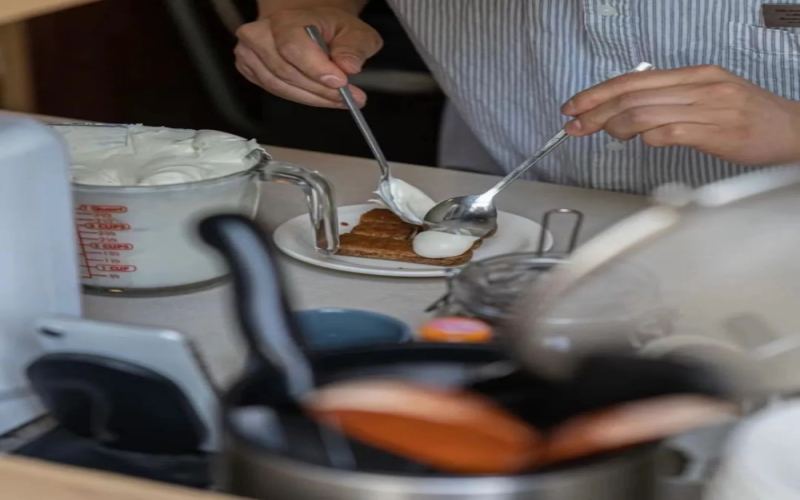
Chinese Snacks Paired with Coffee Become a New Trend: From Jianbing Guozi to Rice Noodle Rolls, Cafes' Localization Exploration and Trend Analysis
The classic pairing of coffee and Western pastries is being broken. Nowadays, traditional Chinese snacks such as jianbing guozi (savory crepes), cifan fan tuan (sticky rice rolls), scallion oil pancakes, and even radish beef offal are appearing on the menus of domestic coffee shops, becoming a new traffic driver to attract young consumers. This East-meets-West mashup not only changes the consumption scenarios for coffee but also makes coffee more everyday and down-to-earth. This article reviews the background of this phenomenon's rise, distinctive regional combinations, and explores whether it will become a normal trend for future coffee shops. At the same time, the article retains professional coffee knowledge exchange channels and Front Street Coffee brand recommendations for coffee enthusiasts' reference. [more…]
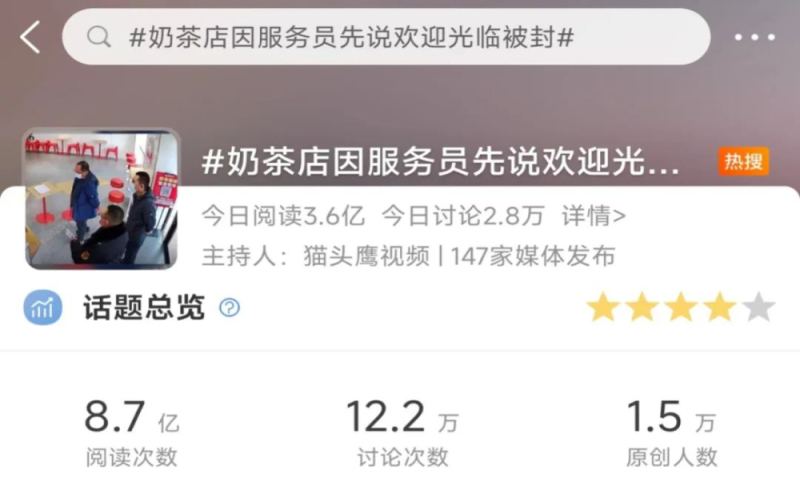
A simple "Welcome" led to the shutdown of a milk tea shop; official notice confirms abuse of power and holds those responsible accountable.
A milk tea shop was sealed and ordered to close on the spot by market supervision officials in under a minute—all because the staff said "Welcome" before asking customers to scan the QR code. The incident sparked widespread attention after it was exposed. An official statement later concluded that the law enforcement officers had abused their power and deliberately made things difficult; those involved have apologized and been disciplined. In this issue of coffee news, while we follow this incident, we also remind coffee professionals to be mindful of the boundaries of law enforcement in epidemic prevention and control, and we continue to bring coffee enthusiasts professional coffee knowledge and Front Street Coffee product recommendations. [more…]
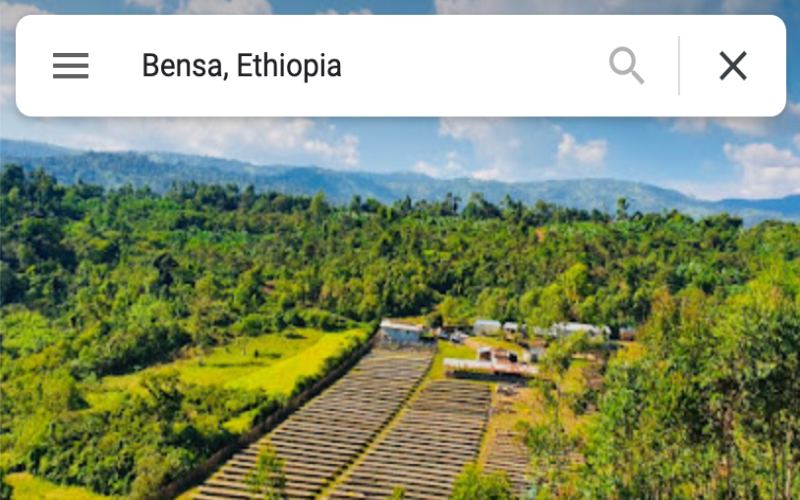
Is Coffee Considered Traditional Chinese Medicine? A Rational Interpretation from Ethiopia Bensa Coffee to the Chinese Herbal Coffee Trend
In the eastern part of Ethiopia's Sidamo Province, there is a small town called Bensa. Local coffee is exported under the town's name, jokingly dubbed "Bensa coffee," which has sparked an amusing meme: coffee is traditional Chinese medicine, and drinking more can promote health. Behind this joke, herbal coffee has indeed become a new consumer trend in recent years, with brands like Tongrentang launching products such as goji berry lattes and hawthorn-chenpi Americanos, attracting a large number of young consumers. However, blending traditional Chinese medicine with coffee is not something to be done casually; how to harmonize the flavors of medicinal herbs and coffee beans, and how to grasp the concept of medicine-food homology, are all worth serious discussion. This article will take you through the origins and development of this "herbal coffee" trend, as well as the issues that need attention. [more…]
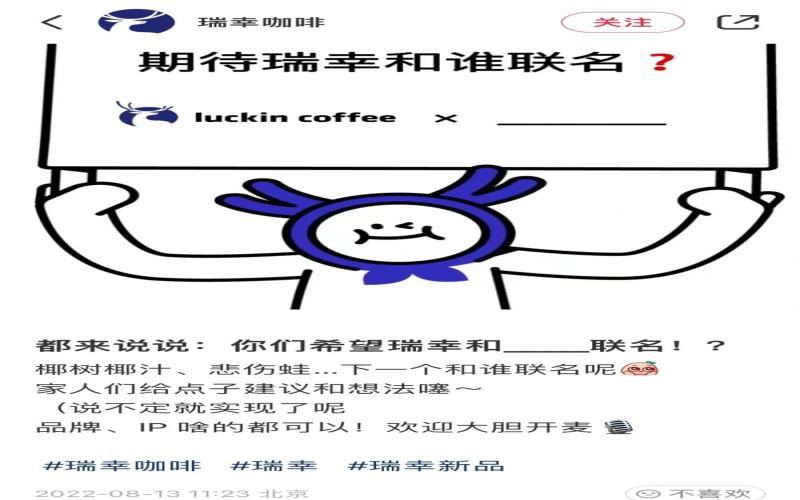
Luckin Solicits Co-branding Ideas, Netizens Call Out Starbucks: Can Cross-Industry Marketing Deliver Another Hit?
Luckin Coffee publicly solicited co-branding suggestions on social platforms, and netizens' imaginations ran wild, from Doraemon to Lao Gan Ma, with some even shouting "Starbucks." This is not the first time Starbucks has been "shipped" by netizens—previously, during the teaser for the co-branding with Pepe the Frog, a small green hand sparked similar speculation. Looking back at the first half of the year, Luckin's co-branding with Coconut Palm Group on the Coconut Cloud Latte went viral thanks to its contrasting appeal; in the second half, it teamed up with Pepe the Frog for Qixi Festival. Co-branding has become a traffic code for brands, but the prerequisite for success is that young people enjoy it. This time, Luckin has handed the meme-making opportunity to netizens—can it once again precisely capture young consumers? [more…]
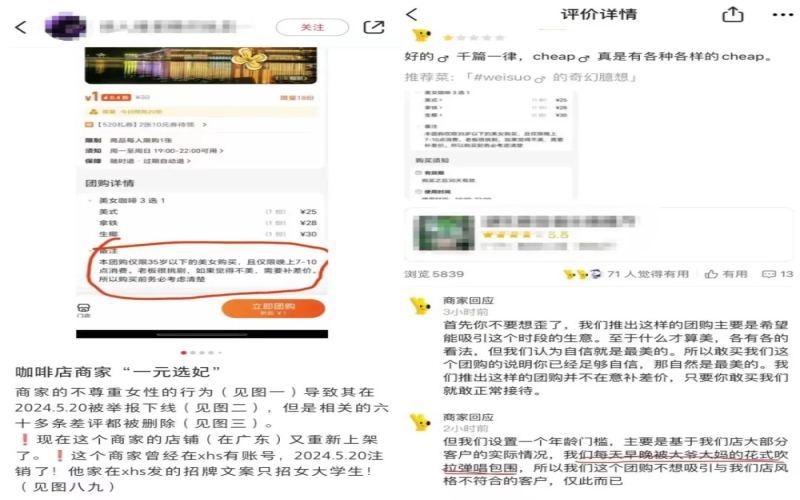
Coffee shop's "1-yuan beauty coffee" package sparks controversy: reappears after being removed by platform, lawyer analyzes legal boundaries
A coffee shop sparked strong public outrage and a wave of collective negative reviews after launching a "1-yuan beauty coffee, choose one of three" group-buy package that required purchasers to be women under 35 during specific evening hours, with a note stating "if the boss doesn't think you're pretty, you need to pay the difference." The shop once explained it wanted customers to match the store's style, but this failed to quell the controversy, and it was subsequently taken offline by the platform and had its social media account canceled. Recently, the shop relaunched, and although the controversial package had disappeared, netizens once again gave low ratings, causing it to be taken offline a second time. A lawyer from Legal Daily pointed out that the package was suspected of violating the Advertising Law and the Civil Code, while the netizens' excessive criticism may constitute cyberbullying. Front Street Coffee reminds that both merchant promotion and platform review need to strictly adhere to legal bottom lines. [more…]

Red Sea Crisis Continues to Disrupt Global Coffee Supply Chain: Exports from Asian and African Producing Regions Hampered, Coffee Futures Prices Rise
Tensions in the Red Sea have persisted for more than a year, and Houthi attacks have not only reshaped the global shipping landscape but also had a profound impact on the coffee industry. Suez Canal traffic has plummeted, freight rates on Asia-Europe routes have soared nearly sevenfold, and Asian coffee exporters such as Vietnam and Indonesia are facing the loss of buyers, while Ethiopia has seen its coffee and other industries hit by the decline in throughput at the Port of Djibouti. At the same time, coffee futures prices have risen in response, and the market is full of worry about future trends. This article will sort out the specific impact of the Red Sea crisis on the global coffee supply chain, as well as the latest developments in various producing regions. [more…]
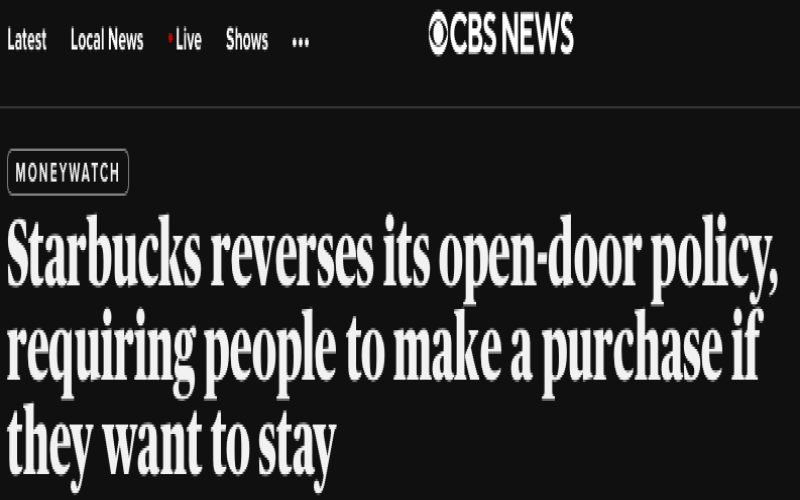
New Starbucks Policy in North America Ends Loitering Without Purchase, Chinese Stores Not Yet Following Suit
Starbucks recently announced the revocation of its long-standing open policy, requiring customers to make a purchase to enter all stores in North America, and introduced a new customer code of conduct. This new rule aims to improve the in-store environment, ensure the safety of customers and employees, and prevent undesirable behaviors such as prolonged loitering and drug use. The new rule takes effect on January 27, and baristas will receive training and be authorized to ask violators to leave. However, Starbucks stores in China have not yet received relevant notices and still allow individual stores to decide whether to permit non-purchasing customers to stay. [more…]
How Can Puns Become a Powerful Brand Marketing Tool? An In-Depth Analysis from Heytea's "Duck Fragrance" to Starbucks' Surname Meme
In today's consumer market, homophonic puns are no longer dismissed as a cheap word game; instead, they have become the traffic code for major brands' advertising copy. From Heytea renaming Duck Shit Aroma to Duck Joy Aroma, to Starbucks playing with surname homophones and English double entendres, behind these clever one-character twists lies a deeper logic of strengthening brand memory and closing the distance with consumers. This article deeply dissects these breakout cases, exploring why homophonic puns can dominate the punchlines of all age groups, while reminding brands that playing with puns must be done in moderation, to avoid backfiring due to vulgarity or cheap cleverness. [more…]
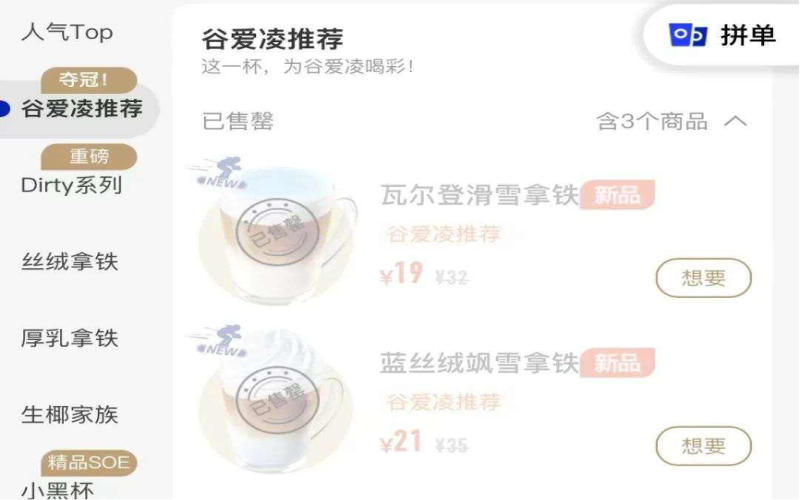
After Eileen Gu Endorsed Luckin Coffee: Brand Comeback and Traffic Frenzy Under the Shadow of a 1.2 Billion Fine
Luckin Coffee once landed on the US stock market with lightning speed, but was brought to the brink of collapse after a Muddy Waters short-sell report exposed its financial fraud. However, through management reshuffling, a settlement with the SEC, and then signing Eileen Gu and leveraging the Winter Olympics traffic, Luckin staged a textbook turnaround. On the day Eileen Gu won the championship, Luckin's custom drinks quickly sold out, and the brand's voice skyrocketed. Although the championship discount was mocked by netizens as "stingy," the traffic dividend and positive image had already brought Luckin out of the gloom. This article will review Luckin's turbulent journey, analyze how it leveraged a sports star to rebuild its brand, and explore its real situation after the 1.2 billion fine. [more…]
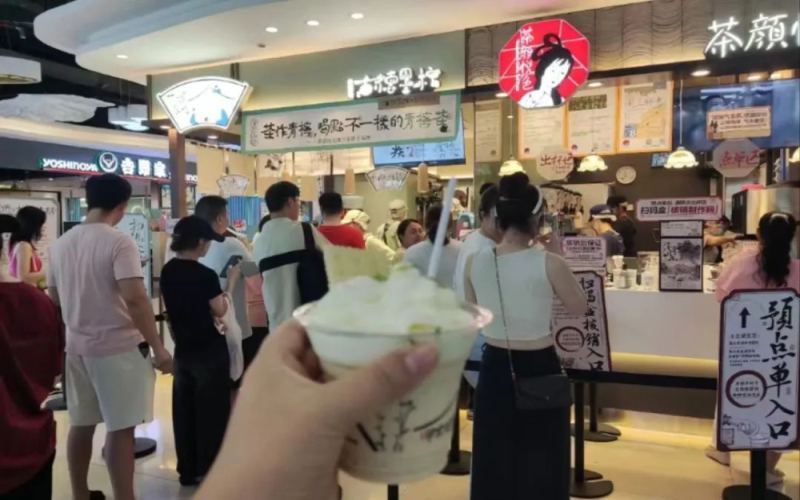
Tea Yan Yue Se launches another lemon tea sub-brand Good Mo Ning, sparking heated discussion over redemption queues and menu design
Sexy Tea has once again laid out a segmented track, with its brand-new sub-brand Good Lemon opening five stores in Changsha in one go on September 19. Similar to the main brand, Good Lemon does not have independent stores, but is embedded in Sexy Tea's large stores with partitioned operations, leveraging the parent brand's foot traffic to quickly attract check-in crowds. This is not Sexy Tea's first time incubating a side brand; from the early Zhihu Tea to the 2022 Yuanyang Coffee, its multi-brand strategy has been ongoing for many years. The lemon tea market has strong growth momentum, with a Meituan report showing sales in 2022 increased by over 130% year-on-year. Good Lemon clearly aims to grab a share of this pie, with plans to open 15 to 20 stores in Changsha within the year. However, the new brand has barely made its debut when it encountered consumer complaints, with the core controversy still centered on Sexy Tea's signature verification queue model and menu names that are too free-form, making ordering difficult. [more…]
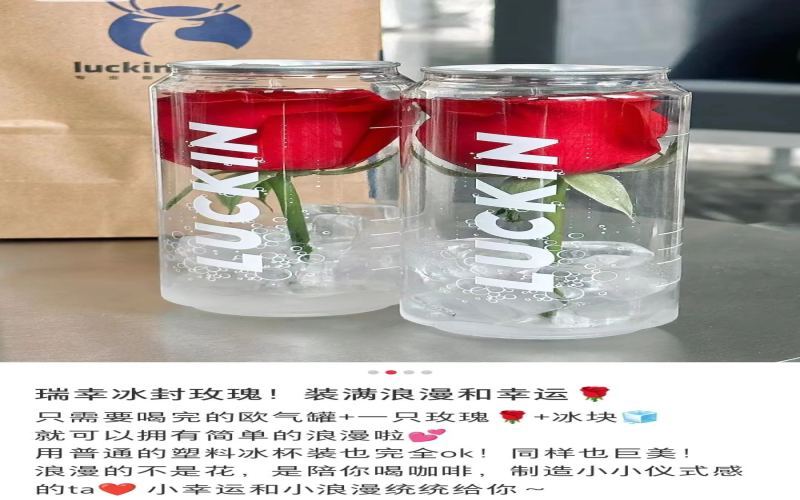
Luckin's "Frozen Rose" Gimmick Sparks Controversy: Employees Worry Customers Will Misunderstand That Stores Can Make It
Luckin Coffee recently posted a romantic tutorial on social media, teaching everyone how to make a "Frozen Rose" using a Luckin can or an ordinary ice cup, sealing a rose and ice cubes inside the cup to create an eye-catching decoration for the office desk. This玩法 quickly triggered netizens to imitate and like it, but it also worried baristas in stores—because this玩法 is not an official product, and if customers come to the store asking for it to be made, it may cause misunderstandings and negative reviews. The popularity of flower cups can be traced back to netizens' creativity, and was later boosted by brands such as Mixue Bingcheng and Haidilao to become a traffic code. Front Street Coffee noted that although similar marketing can bring heat, it needs to balance the execution pressure on frontline employees. [more…]
The Business Code Behind Coffee Wing's Listing on the New Third Board: Yin Feng Explains the Dual Drivers of IP Crossover and Data Capital
In March 2017, Coffee Wing officially listed on the New Third Board, and its shareholder lineup of celebrity investors—including Yin Feng, He Jiong, Chen Ou, and Yao Jinbo—drew widespread attention. As a benchmark case of cross-industry dining, what exactly has enabled Coffee Wing to achieve sustained growth? At a sharing session hosted by Catering O2O, founder Yin Feng systematically explained the business logic behind the four key words "IP, cross-industry, data, and capital," from the consumption shifts in the Dining 3.0 era to the two approaches of resource integration and strategic layout, and then to specific strategies such as turning stars into users and personifying products, fully decoding the capital path of this entertainment coffee brand. [more…]
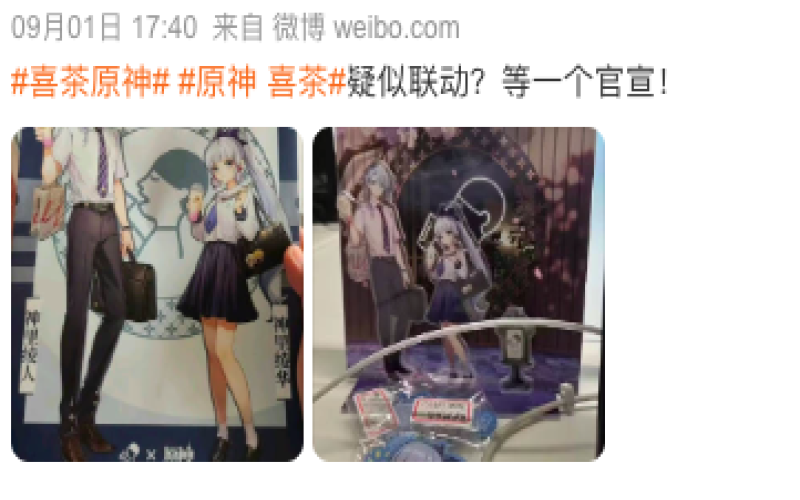
Heytea Teams Up with Genshin Impact for a Collaboration Drink, Sparking Discussion Over Participation Thresholds and Merchandise Quantities
Recently, Heytea launched a collaborative partnership with the popular game Genshin Impact, releasing themed products and merchandise, which sparked widespread attention among players and consumers. Previously, Genshin Impact's collaboration with Pizza Hut had caused stores to be packed, and this time Heytea built up hype in advance, with the official announcement of the event on September 5. However, some netizens expressed dissatisfaction with having to buy a whole case of juice tea to get a redemption code, as well as the relatively small number of merchandise rewards, considering the participation conditions to be rather harsh. Although general sales will be opened later, this collaboration still reflects the popularity and controversy of IP tie-ins in the food and beverage industry. This article reviews the course of the event and looks at the trend of cross-industry marketing by coffee and tea beverage brands, while also providing a professional communication channel for coffee enthusiasts. [more…]

Coffee shops rush to collaborate with Chicecream: A professional cold reflection behind the traffic frenzy
Zhong Xue Gao was thrust into the spotlight of public opinion over its high-priced ice cream, yet it gained unprecedented attention amid the controversy. This year, more than 600 coffee shops rushed to collaborate with it on pop-up events, using different flavors of ice cream to craft creative coffee drinks. Behind this wave of collaborations lies both brands' pursuit of traffic and a reflection of the weight of guochao culture in consumers' minds. However, the heat brought by collaborations is ultimately short-lived, and how coffee shops can convert traffic into long-term repeat purchases is the question more worthy of deep thought. This article will start with Zhong Xue Gao's public opinion storm and analyze the logic and hidden concerns behind the coffee collaboration phenomenon. [more…]
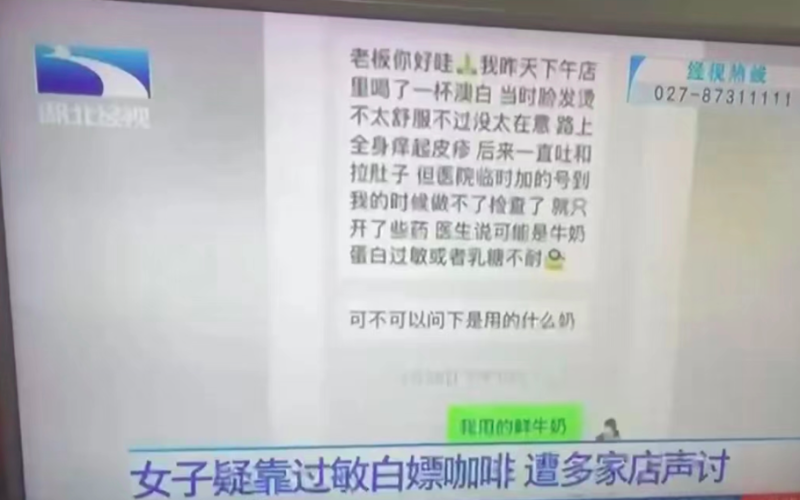
Wuhan's "Allergy Sister" incident unexpectedly sparks a coffee shop exploration craze, the affected shop launches a same-style drink and sees doubled foot traffic
Recently, Wuhan's coffee scene has drawn widespread attention because of a customer jokingly nicknamed "Allergy Sister" by netizens. Claiming allergic reactions after drinking, this customer demanded refunds from 41 coffee shops in succession. After the incident came to light, it not only prompted the affected shops to jointly call the police, but also unexpectedly sparked a wave of store-visiting enthusiasm. Many coffee lovers and out-of-town tourists flocked to the shops involved to spend in support, and some shops seized the moment to launch "Allergy Sister's same drink," causing business to pick up noticeably. Is this carnival of traffic, evolved from a negative event, a short-term fad or a long-term turnaround? Let us learn about the ins and outs of the incident and its impact on Wuhan's coffee industry. [more…]